It’s Not Just Recording: How Screen Capture Made Caring for My Parents Easier
Caring for aging parents often feels overwhelming—misunderstandings, repeated instructions, and the worry that they might forget important steps. I used to dread teaching Mom how to video call or pay bills online. Then I started using simple screen recordings. Now, she watches my quick videos whenever she needs to, and I see her confidence grow. It’s not magic—it’s just thoughtful tech use. This small change didn’t just save time; it brought us closer and gave me real peace of mind. And if you're also helping an older parent navigate life in a digital world, I promise—this is something you can do too. No tech degree required. Just love, a little patience, and a tool already in your pocket.
The Hidden Challenge of Daily Caregiving
Let’s be honest—most of us weren’t prepared for this part of adulthood. One day, you're calling home to chat about the weather, and the next, you're troubleshooting Wi-Fi signals, resetting passwords, and explaining what a pop-up window is. I remember the first time Mom called, voice tight with panic, because her tablet showed a message she didn’t understand. “It says I need to update something,” she said. “Do I click yes?” That moment felt small, but it opened the floodgates. Suddenly, I was on constant standby—her personal tech support line.
And it wasn’t just about the technology. It was about the emotional weight behind each call. Every time I walked her through something over the phone, I could hear the frustration in her voice—and worse, the shame. She didn’t want to be a burden. She wanted to feel capable. But when instructions get lost in translation or forgotten by the next day, it chips away at that confidence. I’d repeat the same steps week after week, and still, she’d call again. I wasn’t just teaching her how to use a device—I was trying to preserve her dignity, her independence, and our connection.
At the same time, I was juggling my own life—work, kids, meals, laundry. Being “on call” for tech help started to wear me down. I’d get a call during a meeting or while helping my daughter with homework, and my heart would sink. Not because I didn’t want to help, but because I knew it would take twenty minutes to guide her through something that should take two. I loved her deeply, but I was exhausted. I realized something had to change—not just for her, but for me. We both deserved better.
Discovering a Simple Tool with Big Impact
The turning point came on a rainy Tuesday evening. Mom called—for the third time that week—asking how to reset her email password. I could hear her sighing as I talked her through each step. “Click the little gear icon… no, not that one… now scroll down…” By the end, we were both tired. And then it hit me: instead of talking her through it again, why not just *show* her—once—and let her watch it whenever she needed?
I hung up, opened the screen recorder on my iPad, and walked through the process slowly. I narrated each step like I was sitting beside her: “Now, tap ‘Settings,’ then go to ‘Passwords.’ See the lock icon? That’s where you start.” I kept it under three minutes, saved the video, and sent it to her with a text: “Here’s how to do it, Mom. Watch it anytime. No need to call me.” I didn’t expect much. But the next morning, my phone rang. “I did it!” she said, her voice bright. “I watched your video and changed my password all by myself!”
That moment changed everything. It wasn’t just about the password. It was about her pride, her independence, and the relief in my chest. For the first time, I felt like I’d given her a real tool—not just a temporary fix. I hadn’t solved it *for* her; I’d empowered her to do it *herself*. And the best part? The tool was already on her device. No downloads, no subscriptions, no complicated setup. Just the built-in screen recorder—something most of us ignore but is quietly powerful.
From that day on, I started using screen recordings for everything. How to join a telehealth appointment. How to order groceries online. How to send a photo to her sister. Each video was short, clear, and made with love. And slowly, the frantic calls began to fade. Not because she stopped needing help—but because she had a better way to get it.
How Recording Transforms Repetition into Empowerment
Let’s talk about repetition. As caregivers, we repeat instructions more than we realize. “Click the blue button.” “Don’t tap that ad.” “Yes, that’s a real email—go ahead and open it.” Over time, that repetition can wear down both the giver and the receiver. For our parents, it can start to feel like, “I’ll never get this right.” For us, it feels like we’re stuck in a loop we can’t escape.
But here’s what I learned: repetition doesn’t have to be exhausting. When you turn those repeated instructions into a screen recording, you transform them into a learning resource. My mom could watch the video once, pause it, go make a cup of tea, and come back to replay the tricky part. She wasn’t relying on her memory anymore—she had a guide she could trust. And that small shift made a huge difference in how she felt about using technology.
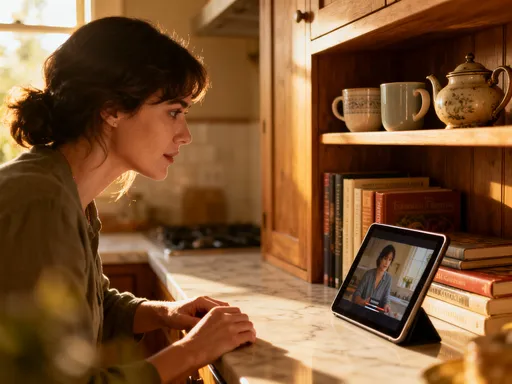
I started to notice changes in her tone during our calls. Less hesitation. More “I think I can do this.” One day, she told me she’d used the video I made about Zoom to join her book club meeting—without asking anyone for help. “I even turned on the camera!” she said, laughing. “They all waved at me.” That moment filled me with pride. It wasn’t just about the tech—it was about her confidence growing, one small win at a time.
And for me? The emotional load lightened. I wasn’t dreading the next call. I wasn’t frustrated when she forgot. Because now, I had a better answer than “I’ll tell you again.” I could say, “Remember the video? Watch it one more time.” It wasn’t cold or dismissive—it was empowering. And our conversations changed. Instead of spending the first ten minutes on “how to,” we could talk about her garden, her walk that morning, or what she wanted to cook for dinner. We were connecting again—on a human level, not just a technical one.
Building a Personal Care Library Together
After a few weeks of making videos, I suggested we create a folder on her tablet called “Mom’s Tech Corner.” She loved the name. We spent an afternoon organizing it—each video saved with a clear title like “How to Use FaceTime” or “Ordering Groceries on the App.” I showed her how to open the folder and tap the videos herself. “This is *your* space,” I told her. “You’re in charge.”
What surprised me was how quickly she began taking ownership. She started asking for new videos—“Can you make one about checking the weather?” or “How do I send a screenshot?” Each request felt like a victory. She wasn’t waiting for me to fix things—she was seeking tools to do it herself. And every time I made a new video, I made sure to keep it warm and encouraging, like I was right there with her. “See this button? That’s the one you want. You’ve got this, Mom.”
The library grew—about twenty videos now—and so did her independence. She rewatched them on her own, sometimes multiple times. I even found out she’d shown a few to her friends at the senior center. “I told them my daughter made these for me,” she said. “One of them asked if I could share them!” That moment warmed me from the inside out. This wasn’t just helping her—it was helping others, too.
And here’s the unexpected gift: this became *our* project, not just mine. We’d talk about what to add next. She’d give feedback: “That video was perfect,” or “Can the next one go a little slower?” It turned tech help into quality time—without either of us having to be stressed or rushed. We were building something together, one small video at a time.
Strengthening Connection Across Distance
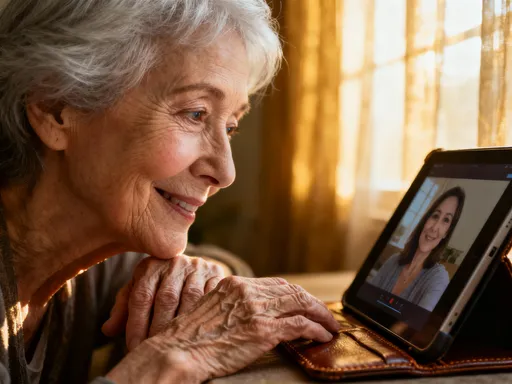
I live three hours from my parents. Before the videos, I often worried I was missing something—was Mom struggling more than she let on? Was she avoiding calls because she didn’t want to bother me? The distance made it hard to know. But the screen recordings became a quiet bridge between us. When she watched a video and succeeded, I felt it—even from miles away.
I started adding little personal touches to the recordings. I’d begin with “Hi Mom!” and end with “Love you—call me after if you want to chat.” Sometimes, I’d include a joke: “And remember—no matter what the pop-up says, never click ‘You’ve won a free cruise!’” She’d laugh when she saw those, and later tell me about it. Those small moments kept us close, even when we weren’t together.
And when she mastered something new, she’d call just to share the joy. “I used your video and joined the library event!” she said one afternoon. “I was the only one who knew how to unmute myself!” That pride in her voice was worth more than any app or gadget. Technology is often blamed for pulling families apart—endless scrolling, distracted dinners, missed moments. But in our case, it did the opposite. It became a vehicle for care, for teaching, for love.
I realized that these videos weren’t just about tech—they were love letters in digital form. Each one said, “I see you. I know this is hard. And I’m here to help.” And for her, each replay said, “I can do this. I’m not alone.” That’s the kind of connection no text message or phone call could fully replace.
Practical Tips for Starting Your Own Care Recordings
If you’re thinking, “This sounds great, but I’m not tech-savvy,” let me stop you right there. You don’t need to be. The screen recorder is already on your phone or tablet—usually just a swipe away. On iPhones, it’s in the Control Center. On Android, it’s often under Quick Settings. Laptops have it too—just search “screen recorder” in your system settings. No downloads. No cost. Just tap and go.
Start small. Pick one task that comes up often—maybe how to answer a video call or how to check a bank balance online. Open the recorder, do the task slowly, and talk through it like you’re teaching someone you love. Speak clearly. Pause between steps. Don’t rush. You don’t need perfect lighting or a quiet room—just your voice and your care.
Keep the video short—under three minutes is ideal. Long enough to be helpful, short enough to hold attention. After you finish, save it with a clear name like “How to Join Zoom – April 2024” so it’s easy to find later. Then send it through a messaging app, email, or save it in a shared folder like Google Drive or iCloud. Make sure your parent knows where to find it—and how to rewatch it.
And here’s a pro tip: show them how to rewatch it. That sounds obvious, but many older adults aren’t used to the idea that they can pause and replay a video. Sit with them (in person or via call) and say, “See this arrow? Tap it to play. If you miss something, just tap the screen and drag back.” That small act teaches them they’re in control.
Don’t aim for perfection. A shaky hand, a background noise, a flubbed line—none of that matters. What matters is that your voice is there, guiding them. I’ve sent videos where my dog barked the whole time, or where I accidentally recorded the wrong screen. Mom didn’t care. She said, “I could hear you. That’s all I needed.”
A Small Habit with Lasting Emotional Value
Looking back, I realize this wasn’t just about screen recordings. It was about changing how I showed up as a caregiver. I used to think helping meant being on call 24/7—ready to drop everything and talk them through every little thing. But that wasn’t sustainable. And honestly, it wasn’t always kind—to either of us.
These videos taught me a new way to care: one that’s thoughtful, lasting, and full of respect. Each recording said, “I care enough to make this easier for you.” And for Mom, each time she watched and succeeded, it said, “I’m capable. I can learn. I’m not too old for this.” That shift—in her and in me—was profound.
In a world full of complicated solutions, flashy gadgets, and expensive apps, sometimes the most powerful tools are the simplest ones. A screen recorder. A few minutes of your time. A voice saying, “I’m here.” You don’t need to reinvent the wheel. You just need to show up—through a screen, in a video, in a way that lasts.
If you’re caring for an aging parent, know this: you’re not alone. And you don’t have to do it all in real time. Let technology be your ally, not your enemy. Start with one video. One small step. And watch how it grows—not just in convenience, but in connection, confidence, and peace. Because at the end of the day, caregiving isn’t about fixing every problem. It’s about saying, in a thousand quiet ways, “I love you. I see you. And I’m right here with you.”