I used to miss every team deadline: How my phone finally helped me stop dropping the ball
You know that sinking feeling when everyone’s waiting on you, but you totally forgot the task? I’ve been there—overwhelmed, juggling messages across apps, missing updates, and letting teammates down. It wasn’t laziness; I just couldn’t keep track. Then I changed how I used my phone. Not with fancy tools, but with simple, intentional habits. Now, I stay in sync with my team effortlessly. This isn’t about working more—it’s about working together, smarter. And it started with small shifts anyone can make.
The Breaking Point: When My Phone Made Collaboration Harder
There was a time when I truly believed that having everything on my phone meant I was on top of everything. Messages from coworkers, task lists in random notes, calendar alerts, emails piling up—my phone was supposed to be my lifeline. But instead of helping me stay connected, it made me feel more disconnected than ever. I’d get a message in the morning about a task due by noon, only to realize at 11:45 that I hadn’t even opened the file. Sound familiar? I wasn’t ignoring my responsibilities—I was just drowning in digital noise.
One day, it all came to a head. We had a big team meeting scheduled, and I was responsible for sending out the presentation deck an hour beforehand. I remember seeing the request in a chat thread, thinking, 'I’ll do it after this call,' and then—life happened. A kid needed a snack, the dog started barking, and the next thing I knew, it was five minutes before the meeting and I hadn’t sent a thing. My teammate texted: 'Hey, did you send the slides?' My stomach dropped. I scrambled, attached the file, and hit send—late. The meeting started without the materials. I apologized, of course, but the damage was done. My team was frustrated. And honestly? So was I. That moment was my wake-up call. My phone wasn’t helping me collaborate. It was making it harder. I needed a new way—fast.
Seeing the Pattern: How We Misuse Phones in Team Work
After that incident, I started paying attention to how I actually used my phone during the workday. What I discovered surprised me. I wasn’t using it as a tool—I was using it like a digital junk drawer. Need to remember something? Jot it in Notes. Got a message about a deadline? Leave the chat open and hope I remember. Someone asked me to follow up? Trust that I’ll see it later. Spoiler: I didn’t. And I realized I wasn’t alone. So many of us do this—especially women juggling family, personal goals, and work. We think we’re being responsive, but we’re actually creating chaos.
The real issue wasn’t my phone or the apps on it. It was how I was using them. I was constantly switching between email, messaging apps, task lists, and calendars. Every notification pulled me in a different direction. By the time I got back to a task, I’d forgotten half of what I was supposed to do. Psychologists call this 'context switching,' and it’s a major focus killer. The more we jump around, the less we actually accomplish. I was giving my full attention to no one—and that wasn’t fair to my team or to myself.
What made it worse was the lack of a clear system. There was no single place where I could see what needed to happen, by when, and by whom. Tasks lived in messages, reminders were scattered, and deadlines were buried in long email threads. No wonder I kept dropping the ball. I wasn’t failing because I didn’t care. I was failing because my system was broken. And the sad truth? My phone, which was supposed to make things easier, was making them harder.
The Shift: Designing My Phone for Team Success
That’s when I decided to stop treating my phone like a chaos container and start treating it like a collaboration partner. I didn’t download any new apps. I didn’t sign up for expensive software. I just redesigned how I used what I already had. First, I did a digital declutter. I deleted apps I rarely used, especially the ones that did the same thing as others. Why have three messaging apps when one does the job? Then, I created a single folder on my home screen called 'Team.' Inside, I put only the apps I used for work—messaging, email, task list, and calendar. Everything else got moved to another screen. Out of sight, out of mind.
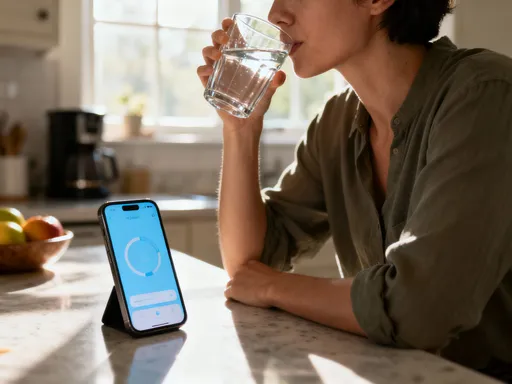
Next, I changed how I interacted with notifications. Instead of letting every ping pull me in, I turned off non-essential alerts. No more buzzes for every email or social message. I set specific times to check in—once in the morning, once after lunch, and once in the evening. During those times, I’d go through messages, update tasks, and respond where needed. The rest of the time? My phone stayed on silent, face down. This small change reduced my stress instantly. I wasn’t constantly reacting. I was choosing when to engage.
I also started using features I’d ignored before. For example, I began pinning important conversations in my messaging app so they wouldn’t get buried. I used reminders linked to messages—so if someone said, 'Can you send that report by Friday?' I’d long-press the message and add a reminder for Thursday at 3 PM. These tiny tweaks made my phone work *for* me, not against me. It became a tool for focus, not distraction. And for the first time, I felt in control.
One App, One Purpose: Simplifying My Digital Workflow
One of the biggest changes I made was assigning one primary app for each type of task. No more guessing where something was saved. No more searching through five different places. I picked one app for messaging—where all team conversations happen. One app for tasks—where every to-do lives with a due date. One app for files—where I store and share documents. Simple. Clear. No overlap.
Here’s how it works in real life: When a teammate messages me with a new request, I don’t just say 'Got it.' I open my task app immediately and create a new item. I type in what needs to be done, set the due date, and add a reminder for a day before. Then I reply to the message with a quick confirmation. This habit—taking action the moment I receive a task—has been a game-changer. No more 'I’ll remember it later' because, let’s be honest, we don’t.
And when it comes to file sharing, I stopped using random email attachments or text messages with links. Instead, I use one cloud storage app that everyone on the team has access to. When I upload a file, I name it clearly—like 'Q3 Budget Draft - Oct 10'—and drop the link in the team chat. That way, anyone can find it, anytime. No more 'Where’s that file?' or 'Is this the latest version?' Everyone stays on the same page, and I don’t have to play messenger.
This system isn’t about doing more. It’s about reducing mental clutter. When you know exactly where to go for each type of information, your brain doesn’t have to work so hard. And that means you can focus on what really matters—getting things done, not just keeping track of them.
The Power of Micro-Habits: 60 Seconds That Keep Teams Aligned
One of the most powerful lessons I’ve learned is that small actions, done consistently, create big results. I built a few tiny habits into my day—each taking less than a minute—that have transformed how I work with others. After any team chat, whether it’s a quick text or a long call, I spend 60 seconds summarizing what was decided and what I need to do. I open my task list, add the items, and assign due dates. It’s not glamorous, but it’s effective.
Another habit I love? The bedtime review. Before I go to sleep, I open my calendar and task app and scan tomorrow’s deadlines and meetings. If something needs prep, I make a note. If I need to send something, I schedule it. This five-minute ritual has saved me more times than I can count. I wake up feeling prepared, not panicked.
And when I finish a task, I don’t just mark it as done. I send a quick update to the person who asked for it. Not 'Done,' but 'Done—here’s the file' or 'Done—I’ve scheduled the meeting for Thursday at 2.' This small act builds trust. My teammates know they can count on me. They don’t have to follow up. They don’t have to wonder. And that makes our collaboration smoother, faster, and more respectful of everyone’s time.
These micro-habits didn’t take over my life. They fit into it. And the best part? My team noticed the change before I did. One coworker said, 'You’ve been so on it lately!' Another told me, 'I don’t even worry when I hand you something anymore.' That kind of feedback? That’s priceless.
Shared Rhythm: Using Tech to Strengthen Trust, Not Replace It
Sometimes, people think that better collaboration means more automation, more tracking, more monitoring. But that’s not what I’ve found. For me, the real power of technology is in reducing the mental load so we can focus on real human connection. I started using shared calendars and task lists not to watch what others are doing, but to make life easier for all of us.
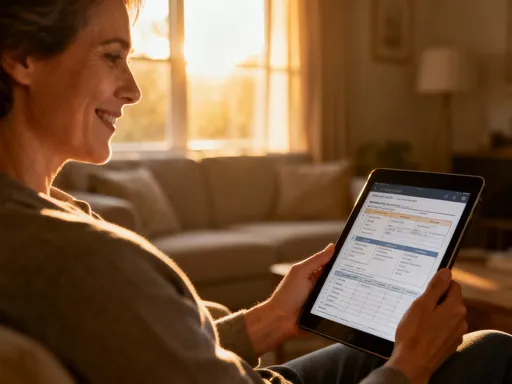
Now, when someone assigns me a task, they can see it in the shared list. When a deadline is coming up, we all get a reminder. We don’t waste time asking, 'Did you get my message?' or 'Is this ready yet?' We just check the shared space. It’s not about surveillance—it’s about clarity. It removes the guesswork and the guilt. And honestly, it’s made our team feel closer, not more distant.
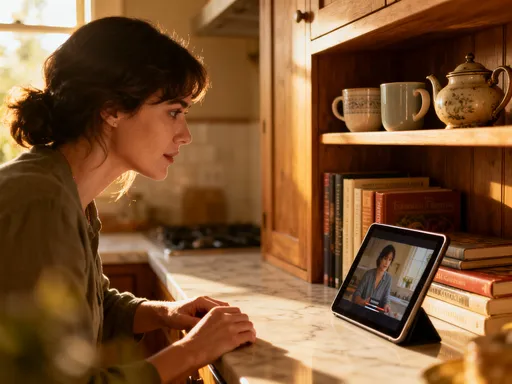
I also started using quick voice notes when a text isn’t enough. If I need to explain something complicated, I record a short audio message—under a minute—instead of typing a long paragraph. It feels more personal. My team says they appreciate the tone and warmth. It’s like we’re still talking, even when we’re not on a call.
Technology doesn’t replace communication. It supports it. My phone helps me be more reliable, not more robotic. And that’s the balance I was looking for. I’m not trying to be 'always on.' I’m trying to be present when it matters. And with the right habits, I can do that—without burning out.
A Smarter, Calmer Way to Work Together—Starting Today
Here’s the truth: none of this requires a tech genius, a big budget, or a complete overhaul of your life. It’s about using your phone with intention. It’s about designing your digital habits around real human needs—clarity, trust, and reliability. When you do that, collaboration stops being a source of stress and starts being a source of connection.
My phone didn’t change. My mindset did. I stopped seeing it as a source of pressure and started seeing it as a tool to support my team and myself. I let go of the idea that I had to respond instantly to everything. Instead, I focused on responding thoughtfully and reliably. And that made all the difference.
If you’re someone who’s tired of missing deadlines, forgetting tasks, or feeling like you’re always behind—start small. Pick one habit from this article. Maybe it’s creating a 'Team' folder on your phone. Maybe it’s spending 60 seconds after a chat to capture action items. Maybe it’s turning off non-essential notifications. Try it for a week. See how it feels.
Because here’s what I’ve learned: you don’t have to do more to be better. You just have to do things differently. And when you use your phone to support your values—like showing up for your team, honoring your word, and protecting your peace—you’re not just working smarter. You’re living better. That’s the kind of tech upgrade we all deserve.