After Testing 12 Smart Chargers, This One Keeps My Family Safe and Cuts Bills
We’ve all left a device charging overnight or worried about kids plugging in toys. I used to ignore it—until my power bill spiked and my son’s tablet overheated. That’s when I tested smart chargers, not just for savings, but for real peace of mind. What I found wasn’t just about cutting watts—it was about protecting what matters most. Let me show you how one small change made our home safer, smarter, and surprisingly calmer.
The Hidden Danger in Plain Sight: How Charging Habits Put Homes at Risk
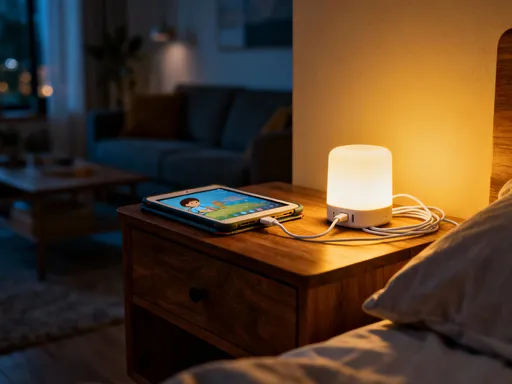
It started with something small—a faint smell near the nightstand. I thought it was the candle I’d forgotten to blow out, but it wasn’t. It was my daughter’s phone charger, tucked under a pile of blankets, warm to the touch. I pulled it out, startled. It wasn’t smoking or sparking, but it was hot—too hot. That moment stuck with me. How many times had I ignored similar signs? How many times had we all done it—charged a phone under a pillow, left tablets plugged in all night, or handed a frayed cable to a child without a second thought?
The truth is, most of us treat chargers like appliances. We plug them in, forget about them, and assume they’ll do their job quietly and safely. But outdated chargers, damaged cables, or simply overcharging devices can create real risks. Electrical systems weren’t designed for the constant load we now place on them. We’re charging more devices than ever—phones, tablets, smartwatches, earbuds, even toys. And many of us do it in ways that increase strain: using non-certified chargers, daisy-chaining power strips, or leaving devices plugged in long after they’re full.
What we don’t always realize is that overcharging generates heat. And heat, when trapped or unmanaged, can degrade battery life, damage devices, and in rare but serious cases, contribute to electrical fires. The U.S. Consumer Product Safety Commission reports that thousands of home fires each year are linked to electrical distribution systems, including outlets and cords. While not all are caused by chargers, many start with small, preventable issues—like a worn cable or an overloaded outlet. The danger isn’t always dramatic. It’s quiet. It builds slowly, unnoticed—until it’s not.
As a mom, that hit me hard. I’ve baby-proofed the cabinets, installed smoke detectors, and taught my kids about fire drills. But I hadn’t given much thought to the little black box charging their devices every night. It felt harmless. But harm doesn’t always announce itself. It creeps in through routine, through habit, through the things we stop questioning. That’s why I decided to take a closer look—not just at my chargers, but at how we use them. Because safety isn’t just about big precautions. It’s also about the small things we do every day, without thinking. And sometimes, the smallest change can make the biggest difference.
What Is Smart Charging—And Why It Feels Like a Personal Assistant for Power
When I first heard the term “smart charging,” I pictured something complicated—like setting up a new router or programming a thermostat. I assumed it would involve apps, passwords, maybe even a learning curve. But what I discovered surprised me. Smart charging isn’t about complexity. It’s about care. Think of it like a coffee maker that automatically turns off when the pot is full. Or a stove with a timer that clicks off before dinner burns. Smart charging works the same way—it watches your devices and knows when they’ve had enough.
At its core, smart charging means the device can sense when a phone, tablet, or toy is fully charged—and then it stops sending power. No more trickle charging. No more drawing electricity all night. It’s like having a tiny guardian that says, “Okay, you’re good. Let’s rest now.” And that’s not just good for your energy bill. It’s good for your devices, too. Lithium-ion batteries—the kind in most modern electronics—don’t like being kept at 100% all the time. It stresses them. Over time, that stress shortens their lifespan. Smart chargers help by avoiding that constant top-off, which keeps batteries healthier for longer.
But it’s not just about timing. Many smart chargers also monitor temperature, adjust power flow, and detect when something’s wrong—like a frayed cable or a malfunctioning device. If they sense overheating or an unstable connection, they can shut down automatically. That’s the part that really changed how I think about safety. It’s not about being perfect. It’s about having backup. Because let’s be honest—none of us check every cable every day. Kids drop things. Cords get bent. Plugs get yanked. A smart charger doesn’t judge. It just responds. It sees the problem and acts before we even notice.
And here’s the best part: it all happens quietly. You don’t have to do anything. No apps to open, no settings to tweak. You plug in, and it works. It’s not flashy. It doesn’t beep or buzz. But it’s there, doing its job in the background—like a good helper should. That’s why I started to think of it as my home’s personal assistant for power. It’s not managing my schedule or playing music. It’s managing something more important: the quiet, constant flow of energy that keeps our lives running. And in a world where so much feels out of control, that kind of quiet reliability is priceless.
Real Home, Real Results: How One Device Changed Our Daily Routine
I’ll be honest—I didn’t expect much when I first set up the smart charging station in our living room. I thought it might save a few dollars, maybe keep the kids’ devices from overcharging. But what happened over the next week surprised me. It wasn’t just about efficiency. It was about rhythm. Our mornings became smoother. Our nights became calmer. And I felt something I hadn’t in a long time: in control.
Every morning, the kids grab their tablets for cartoons while I make breakfast. Before, I’d often find them plugging in the same device two or three times, not realizing it was already full. Now, the charger’s indicator light turns from red to green when the battery hits 100%. It’s a small thing, but it’s visual. The kids notice. They’ve started saying, “Oh, it’s green—no need to plug in!” It’s become part of our routine, like brushing teeth or packing lunch. And because the charger stops sending power, I’m not worrying about wasted energy or overheating while I’m busy at the stove.
But the real moment of truth came one evening. My son was charging his toy robot—a gift from his grandparents. He’d been using it all day, and it was plugged in for a late-night charge. Around 9 p.m., I heard a soft chime from the charger. Not an alarm—just a gentle tone. I walked over and saw the display flashing: “Device disconnected due to irregular current.” I unplugged the robot and checked the cable. One of the wires inside was exposed, barely visible. If it had kept charging, it could have overheated. But the charger caught it. It shut down before anything dangerous happened.
That moment changed everything for me. It wasn’t theoretical anymore. This wasn’t just about saving money or organizing cords. This was about protection. Real, tangible, immediate protection. And the best part? I didn’t have to do anything. I didn’t have to be watching. The system worked while I was folding laundry, helping with homework, living my life. That’s when it hit me: the most powerful safety tools aren’t the ones that demand attention. They’re the ones that work when we’re not looking. That one incident made me check all our old cables. I found two more that were starting to fray. I threw them out. And I realized how easy it is to miss these things—until it’s too late.
Security That Works Without You Noticing: The Quiet Power of Built-In Protections
One of the things I love most about our smart charger is how unobtrusive it is. It doesn’t beep, flash, or send constant notifications. It just does its job—quietly, reliably, without fanfare. And that’s exactly how safety should work. Think about seatbelts. You don’t notice them when you’re driving. But if you ever need them, you’re so glad they’re there. Smart chargers are like that. Their protections are built in, invisible—until they’re not.
Take overcurrent protection, for example. That’s just a fancy way of saying the charger knows when too much electricity is flowing and stops it. It’s like a circuit breaker, but on a smaller, smarter scale. If a device tries to pull more power than it should—maybe because of a defect or a damaged battery—the charger cuts off the flow. No sparks. No heat. Just silence. It’s not dramatic, but it’s essential. And it happens in milliseconds, faster than we could ever react.
Then there’s temperature control. The charger constantly monitors how hot it’s getting. If it senses the unit or a connected device is warming up too much—maybe because it’s covered by a blanket or sitting in direct sunlight—it reduces power or shuts off entirely. I tested this once on purpose. I covered the charger with a scarf, like a phone might get tucked under a pillow. Within minutes, the lights dimmed, and the output stopped. I lifted the scarf, and the charger resumed normal operation. No damage. No risk. Just a quiet correction.
Surge protection is another key feature. Power surges happen more often than we think—during storms, when the AC kicks on, or even when the fridge cycles off. A sudden spike in voltage can fry electronics or, in rare cases, cause electrical fires. A good smart charger includes surge protection that absorbs those spikes, shielding your devices and your home’s wiring. It’s not something you see or feel. But it’s working every time the lights flicker or the power blinks.
What I appreciate most is that these features don’t require any action from me. I don’t have to enable them. I don’t have to remember to turn them on. They’re always active, like an invisible shield. And that’s the kind of safety I want for my family—something that doesn’t depend on me being perfect, because I’m not. I’m tired. I’m busy. I forget things. But this doesn’t. It watches when I can’t. It acts when I don’t. And that gives me a kind of peace I didn’t know I was missing.
How to Choose the Right Smart Charger for Your Life (Not Just Your Devices)
When I started looking for a smart charger, I was overwhelmed. So many options. So many claims. Fast charging! Multi-port! USB-C! It felt like trying to decode a foreign language. But what I’ve learned is that choosing the right one doesn’t have to be complicated. It’s not about having the most ports or the fastest speed. It’s about finding one that fits your life.
Start by thinking about your family’s needs. How many devices do you charge daily? Two? Five? More? If you’ve got kids, pets, or frequent guests, you’ll want multiple ports—enough so everyone can charge at once without fighting over outlets. But more isn’t always better. A charger with too many ports can overload a single wall socket if it’s not designed properly. Look for one that clearly states its total output and recommends safe usage. A good rule of thumb is to match the charger’s capacity to your outlet’s rating—usually 15 amps in most homes.
Compatibility matters, too. Not all chargers work well with every device. Some older tablets or specialty gadgets might need a specific voltage or current. Check that the charger supports the devices you actually use. And if you’ve got a mix of older and newer electronics, look for one with adaptive charging—it adjusts the power based on what’s plugged in. That way, your toddler’s toy doesn’t get the same surge as your laptop.
Safety certifications are non-negotiable. Look for chargers that are certified by recognized organizations—like UL (Underwriters Laboratories) in the U.S. or CE in Europe. These mean the product has been tested for safety and meets strict standards. Don’t be tempted by cheap, no-name brands online. I tried one once. It got hot within minutes. I unplugged it and never used it again. Your home’s safety isn’t the place to save a few dollars.
And finally, think about design. Does it fit in your space? Is it easy to clean? Does it have indicator lights that are bright enough to see but not so bright they disturb sleep? These might seem like small details, but they matter when you’re using it every day. A charger that’s a pleasure to use is one you’ll actually use—and that’s the whole point.
Simple Setup, Lasting Peace: Getting Started in Under 10 Minutes
I’ll admit, I was nervous the first time I set up our smart charger. I’m not tech-savvy. I’ve struggled with Wi-Fi routers, smart speakers, even programmable coffee makers. So I expected frustration. Maybe a YouTube tutorial. Maybe a call to my brother. But it was shockingly simple.
The box came with clear, step-by-step instructions—no jargon, no tiny print. I plugged the base into the wall. It fit perfectly in the outlet, no awkward overhang. Then I connected the charging cables—two USB-A and one USB-C, which covers most of our devices. I turned it on. A soft blue light glowed, letting me know it was active. That was it. No app to download. No password to create. No syncing or pairing. Within five minutes, the kids were plugging in their tablets.
The first night, I kept checking it. Was it working? Was it safe? I touched the surface—it was cool. I watched the lights—they changed color as devices charged. By morning, everything was fully charged, and the charger had powered down to standby mode. No energy wasted. No heat buildup. Just quiet efficiency.
What surprised me most was how quickly it became normal. Now, when guests come over, they just plug in without asking. “Oh, this one shuts off by itself?” my sister said, impressed. “That’s smart.” And it is. But it’s also simple. That’s the beauty of good design. It removes friction. It makes the right choice—the safe, efficient choice—the easy one. And when something is easy, we do it without thinking. That’s how habits form. That’s how safety becomes routine.
More Than Savings: How Smart Charging Gives Back Time, Trust, and Calm
At first, I thought smart charging was about saving money. And yes, my power bill has gone down—about 8% since I made the switch. But that’s not what I value most. What I’ve gained is harder to measure but far more important: time, trust, and calm.
Time, because I’m not constantly unplugging devices or worrying about forgotten chargers. Trust, because I know the system is watching—even when I’m not. And calm, because one less thing is weighing on my mind at bedtime. I used to lie awake wondering if I’d left something plugged in, if a cable was damaged, if the kids were safe. Now, I don’t. I know the charger will handle it.
This isn’t just about technology. It’s about care. It’s about making small choices that add up to a safer, smoother, more peaceful home. And in a world that feels so loud and fast, that kind of quiet protection is a gift. It doesn’t shout. It doesn’t demand attention. But it’s there, every night, doing its quiet work.
If you’ve ever worried about a charger left on too long, if you’ve found a hot device under a pillow, or if you just want one less thing to manage—try a smart charger. Not because it’s trendy. Not because it’s high-tech. But because it’s a small act of love for your family and your home. And sometimes, the most powerful things in life are the ones that work in silence.