From Forgetful to Fully Hydrated: How a Simple App Brought Calm to My Daily Routine
Staying hydrated sounds simple, but how many times have you reached the end of the day realizing you’ve barely had a sip of water? I used to be that person—tired, sluggish, and always blaming it on “being busy.” Then I tried a water reminder app, not expecting much. But within days, something shifted. It wasn’t just about drinking more water; it was about building a habit that quietly improved my energy, focus, and overall sense of well-being. This is the story of how a tiny tech tool brought real, lasting change to my everyday life—without any pressure, guilt, or complexity.
The Hidden Struggle: Why We Skip Water (Even When We Know Better)
Let’s be honest—most of us know we should drink more water. We’ve seen the articles, heard the advice, maybe even bought a pretty reusable bottle to motivate us. But still, by 7 p.m., we’re sipping our first glass while wondering where the day went. I was exactly like that. My mornings were a blur of getting the kids ready, packing lunches, answering work emails, and trying to remember if I’d brushed my teeth. Water? It wasn’t even on the list.
And it wasn’t just me. So many women I talk to—moms, professionals, caregivers—say the same thing. They want to take better care of themselves, but hydration slips through the cracks. Why? Because life moves fast, and unless something has a deadline or a loud alarm, it gets forgotten. Water doesn’t scream for attention. It doesn’t send a notification saying, “You haven’t had me in four hours!” So we go hours—sometimes all day—without giving it a thought.
But the effects are real. I used to feel foggy by mid-morning, like my brain was running on low battery. By afternoon, I’d reach for coffee or a sugary snack just to stay awake. I chalked it up to stress or lack of sleep, but the truth was, I was dehydrated. My body wasn’t getting the basic fuel it needed to function well. And over time, that constant low-level fatigue started to affect my mood, my patience, even how I showed up for my family. I didn’t realize how much it was costing me until I finally made a change.
The First Try: Skepticism and Failed Journals
Like a lot of people, I tried doing it the old-fashioned way first. I bought a marked water bottle with time indicators down the side—8 a.m., 10 a.m., noon, and so on. I filled it every morning with real intention. But by day three, I was already behind. By day five, I’d forgotten to refill it after lunch and ended the day with a sad, half-empty bottle staring at me from the counter.
Then I tried a hydration journal. I found a cute notebook and promised myself I’d check off each glass. It felt organized, grown-up, responsible. But after a week, the checkmarks became sporadic. Then nonexistent. The guilt started creeping in. Every blank box felt like a personal failure. I’d think, “If I just had more willpower, I could do this.” But that wasn’t the issue. The real problem was that I was trying to rely on memory and discipline alone, and in the middle of a chaotic day, those things run out fast.
It wasn’t until a friend mentioned she used a water tracking app that I even considered technology as a helper. I’ll admit, I rolled my eyes at first. “Another app? Really?” I thought. I already had reminders for grocery lists, school pickups, and dentist appointments. Did I need one for water too? But she said it wasn’t pushy or stressful—it just gently reminded her, and she liked seeing her progress. That’s when it hit me: maybe the problem wasn’t me. Maybe I just needed a better system.
Discovering the Right Tool: More Than Just Alerts
Not all apps are created equal, and I learned that quickly. I downloaded a few free ones at first, and some were more annoying than helpful. One buzzed every hour with a loud, robotic voice that made me want to throw my phone across the room. Another made me feel guilty with red warnings and stern messages like “You’re behind! Hurry up!” That wasn’t supportive—it was stressful. I didn’t need a digital drill sergeant. I needed a gentle nudge, not a scolding.
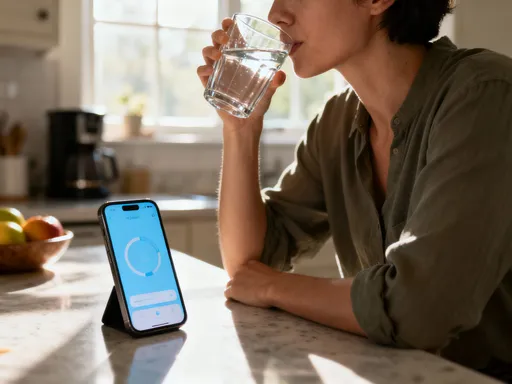
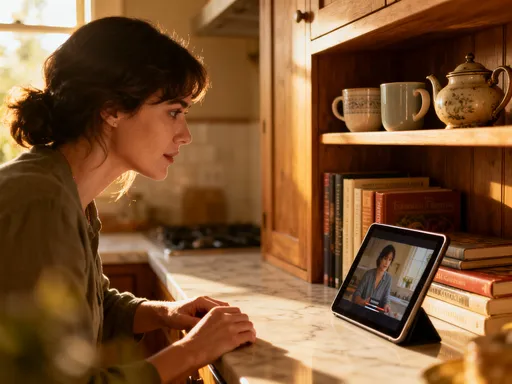
Then I found one that felt different. It had soft, chime-like notifications—calm and quiet, like a friendly tap on the shoulder. I could customize when I wanted reminders, based on my actual routine. No more 3 a.m. pings because the app didn’t know I was asleep. I set the first alert for 8:30 a.m., right after I dropped the kids at school, and another after my mid-morning meeting. There was even an option to log my water with just one tap—no typing, no complicated menus. And instead of shaming me for missing a glass, it would say things like, “No worries—just take a sip when you can.”
What surprised me most was how much the tone mattered. It wasn’t just about tracking; it was about feeling supported. The app didn’t judge. It didn’t demand perfection. It just stayed quietly present, helping me remember without adding to my mental load. That small shift—from pressure to kindness—made all the difference. For the first time, I didn’t feel like I was failing. I felt like I was being guided.
Building the Habit: Small Moments, Big Shifts
Here’s what I’ve learned: habits don’t stick because we’re disciplined. They stick because they fit into our lives easily. The app didn’t just remind me to drink water—it helped me connect it to things I was already doing. That’s called habit stacking, and it’s a game-changer. Instead of trying to remember something new, you attach it to something familiar.
For example, I started pairing a glass of water with brushing my teeth—morning and night. That gave me two solid, automatic moments every day. Then I linked another sip to checking my email after a meeting. Every time my inbox popped up, so did my water reminder. I also set a post-lunch alert, right when I’d usually reach for coffee. Over time, my body began to expect it. I’d feel a slight dryness in my throat and realize, “Oh, it’s time for water,” even before the app chimed.
The key was consistency, not perfection. Some days I still fell short. But the app didn’t make me feel bad about it. Instead, it celebrated small wins—“Great job hitting your morning goal!”—and gently encouraged me to keep going. And because it was so easy to use, I didn’t quit. I didn’t need motivation every day. I just needed the reminder, and the rest followed naturally. Within a few weeks, drinking water wasn’t a chore. It was just part of my rhythm.
Ripple Effects: Energy, Clarity, and Emotional Balance
The change didn’t happen overnight, but once I hit a steady rhythm, the benefits started showing up in ways I didn’t expect. First, my energy improved. I wasn’t crashing by 3 p.m. anymore. I didn’t need that second or third cup of coffee to make it through the afternoon. I felt more alert, more present. I could focus on a task without feeling mentally foggy.
Then I noticed changes in my skin. It wasn’t dramatic, but my face looked brighter, less dull. My daughter even said, “Mom, your skin looks glowy!” I laughed, but it was true. Hydration was doing its quiet work from the inside out. Even my headaches—those low-grade tension ones I used to blame on stress—became less frequent.
But the biggest surprise was emotional. I found myself more patient. On a particularly hectic day—school forms to sign, dinner to make, a work deadline looming—I felt the usual stress rising. But instead of snapping at my son for spilling his juice, I took a breath, got a glass of water for both of us, and said, “Let’s clean this up together.” That moment of pause, that small act of care, changed the whole tone of the afternoon. I realized I wasn’t just hydrating my body. I was calming my nervous system. I was giving myself a chance to respond, not react.
Sharing the Habit: A Quiet Change in Family Life
One of the loveliest parts of this journey was how it quietly influenced my family. I didn’t preach about hydration or force anyone to drink more. I just kept my bottle on the counter, tapped the app after each sip, and made it a normal part of my day. And slowly, without me saying a word, my husband started doing the same.
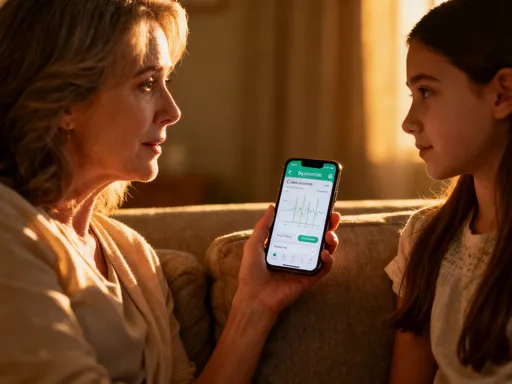
He noticed me refilling my bottle and asked what I was tracking. I showed him the app, and he downloaded it too. Now, we’ll sometimes smile at each other when our phones chime at the same time. “Water break?” one of us will say. It’s become a small ritual, a shared moment of self-care. Even my daughter got curious. She started asking for water more often and now keeps her own little bottle in her room. She even pretends to “track” her sips with a toy phone. It’s sweet, but it’s also meaningful. She’s learning, through observation, that taking care of your body is important.
What I love most is that this wasn’t a top-down rule or a forced health kick. It was a gentle ripple. One small change in my behavior created space for others to follow, in their own time and way. Our home feels a little more mindful now. We pause more. We care for ourselves a little better. And that, to me, is the quiet power of leading by example.
A Life That Flows: Why Simplicity Wins
Looking back, I’m amazed at how something so small could make such a big difference. I didn’t need a drastic diet, a punishing workout routine, or a complete life overhaul. I just needed one simple, sustainable habit—and the right tool to help me build it. The app didn’t fix everything, but it gave me a foundation. It taught me that wellness isn’t about perfection. It’s about showing up, consistently, in small ways.
And that’s the beauty of good technology—it doesn’t complicate life. It simplifies it. It supports us without taking over. The best tools are the ones we don’t even notice, the ones that blend into the background and just make things easier. This water app didn’t change my life in a single moment. It changed it over time, one sip, one reminder, one quiet victory at a time.
If you’ve ever felt like you’re too busy to take care of yourself, I get it. I’ve been there. But I’ve also learned that self-care doesn’t have to be time-consuming or difficult. Sometimes, it’s as simple as a gentle reminder to drink a glass of water. It’s about giving yourself permission to pause, to nourish, to breathe. And when you do that—consistently, kindly, gently—everything else starts to flow a little more easily. Your energy rises. Your mind clears. Your heart softens. You show up not just for your family, but for yourself. And that, more than anything, is what a good life is made of.