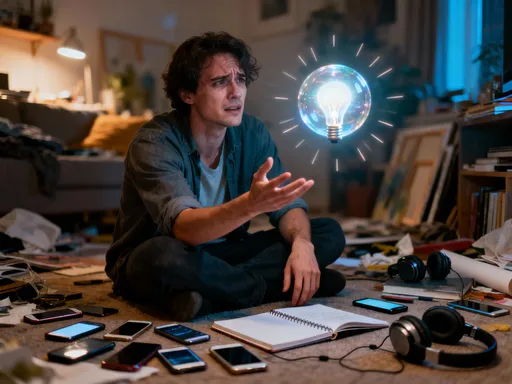
From Overwhelmed to in Control: The Gaming App That Simplified My Free Time
You know that feeling—exhausted after a long day, wanting to unwind, but scrolling endlessly through games that either drain your battery, confuse you with complicated rules, or leave you more stressed? I’ve been there. It wasn’t until I found one simple app that everything changed. Suddenly, my downtime felt refreshing, not exhausting. This isn’t about winning levels—it’s about reclaiming peace, focus, and joy in small moments. Let me show you how this little tool quietly transformed my daily rhythm. It didn’t take over my life. It simply helped me get back into it—calmer, clearer, and more in control.
The Chaos of Digital Downtime
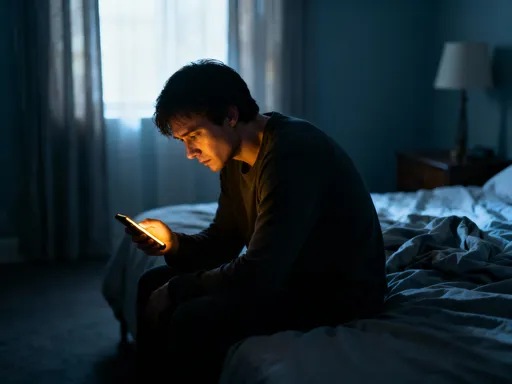
Remember when your phone was supposed to make life easier? I certainly did. I thought having entertainment in my pocket would mean more relaxation, more joy, more breathing room. Instead, I found myself caught in a loop of digital noise. Every evening, after putting the kids to bed or finishing up dinner, I’d reach for my phone, hoping to decompress. But instead of unwinding, I’d end up more restless than when I started. I’d open one game after another—bright, flashy, full of sound effects and alerts—only to close them minutes later, feeling strangely drained. Have you ever had that happen? You’re not alone. So many of us turn to our phones for a mental break, only to realize we’ve traded one kind of stress for another.
The problem wasn’t just the games themselves—it was how they were designed. Most popular mobile games are built to keep you playing, not to help you relax. They use psychological tricks: reward loops, timed challenges, push notifications that pull you back in. I remember one game where I’d lose progress if I didn’t log in every day. Another kept showing me ads every three minutes. It wasn’t fun anymore. It felt like a chore. I started dreading my own downtime. That’s when I realized something important: not all screen time is created equal. Just because I was using my phone didn’t mean I was recharging. In fact, I was doing the opposite. My mental space was shrinking, not expanding. I needed a different kind of escape—one that didn’t leave me feeling scattered.
What I didn’t know then was that I wasn’t just looking for entertainment. I was looking for restoration. I wanted to feel calm, present, and a little more like myself after using my phone. But the apps I had weren’t built for that. They were built for engagement, not peace. And that’s the big difference. Engagement keeps you hooked. Peace lets you breathe. I wasn’t asking for much—just a few quiet minutes where I could reset without feeling guilty or overwhelmed. But finding that felt nearly impossible. Until one evening, everything shifted.
Discovering a Different Kind of Gaming Experience
It started with a simple text from my best friend, Sarah. ‘You have to try this app,’ she wrote. ‘It’s not like anything else. I play it before bed, and I actually fall asleep faster.’ That got my attention. I’ve tried everything—meditation apps, sleep stories, even white noise machines—but nothing really stuck. So I downloaded it, mostly out of curiosity. No big promises. No hype. Just a quiet little app with a soft blue icon. When I opened it, there were no pop-ups, no sign-up walls, no demands to invite friends or watch a video. Just a calm screen with a single prompt: ‘Tap when ready.’
I did. And what happened next surprised me. Instead of loud music or flashing colors, I heard a gentle chime. The screen lit up with a slow-moving pattern of soft shapes—circles that pulsed like breathing, lines that flowed like water. I swiped to interact, and the response was smooth, almost soothing. There were no points, no levels, no timer ticking down. Just a quiet, rhythmic experience that felt more like meditation than gaming. I played for about five minutes and then put my phone down. My shoulders had dropped. My breathing had slowed. I hadn’t even noticed I’d been holding tension there.
That night, I didn’t reach for social media. I didn’t scroll through news or check emails. I just… stopped. And it felt good. The next day, I used it again—this time while waiting for my daughter at ballet class. Same result. Calmer. Clearer. More centered. For the first time in years, I felt like my phone was actually helping me, not hurting me. I started calling it my ‘mental reset button.’ It wasn’t about escaping reality. It was about returning to it—with more balance. And the best part? I didn’t feel guilty using it. There was no shame in playing for two minutes or ten. No pressure to ‘level up’ or compete. It was just for me. And slowly, it began to change how I used my time.
How It Works: Simplicity Designed for Real Life
You might be wondering—what makes this app different? It’s not about fancy graphics or complex gameplay. In fact, it’s the opposite. The entire design is built around one idea: gentle engagement. Think of it like a digital cup of tea. It’s warm, comforting, and doesn’t demand your full attention. You can enjoy it in the background while your mind settles. The interface is clean and intuitive—no tutorials needed. You don’t have to read instructions or watch a demo. Just open it, tap, and begin. The movements are simple—swipes, taps, gentle drags—and each action is met with a soft visual or sound response, like ripples in a pond.
What’s really clever is how it uses rhythm and repetition. Your brain loves patterns. When things feel predictable and smooth, it signals safety. That’s why rocking a baby or walking in nature can be so calming. This app taps into that same principle. The patterns evolve slowly, just enough to keep your attention without overstimulating it. It’s not trying to entertain you with chaos. It’s helping your mind settle by offering a quiet, predictable flow. And because each session is short—most people play for 3 to 7 minutes—it fits naturally into real life. You don’t have to set aside time. You just use the moments you already have.
Another key feature? It doesn’t track your progress in a competitive way. There’s no leaderboard. No badges. No ‘streaks’ to maintain. Instead, it gently asks how you’re feeling after each session. ‘Calm,’ ‘Focused,’ ‘Tired,’ ‘Neutral.’ That small act of reflection makes a big difference. It turns passive scrolling into an intentional practice. Over time, you start to notice patterns. Maybe you feel calmer after using it in the morning. Or maybe it helps you transition from work to home life. The app doesn’t judge. It just holds space for you to check in with yourself. And that, honestly, is rare in today’s tech world.
Fitting Into the Cracks of Everyday Life
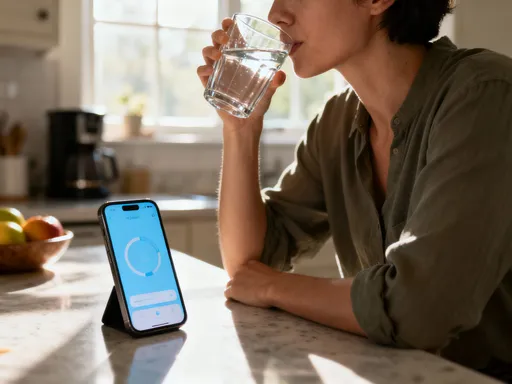
One of the biggest shifts for me was realizing I didn’t need big chunks of time to benefit. I used to think self-care meant long baths, hour-long workouts, or weekend retreats. But the truth is, most of us don’t have that kind of time. What we do have are small gaps—those in-between moments that often go unnoticed. The five minutes while the coffee brews. The ten minutes waiting for the oven to preheat. The quiet stretch after the kids finally fall asleep. These are the spaces where this app found its home in my life.
I started using it during those micro-moments. No fanfare. No special setup. Just me, my phone, and a few minutes of quiet focus. At first, I worried it wouldn’t make a difference. How could just a few minutes matter? But I was wrong. Those small sessions added up. They became touchpoints throughout my day—a way to pause, breathe, and reset. I stopped reaching for my phone out of habit and started using it with purpose. Instead of scrolling mindlessly, I was doing something that actually helped me feel better. And that changed everything.
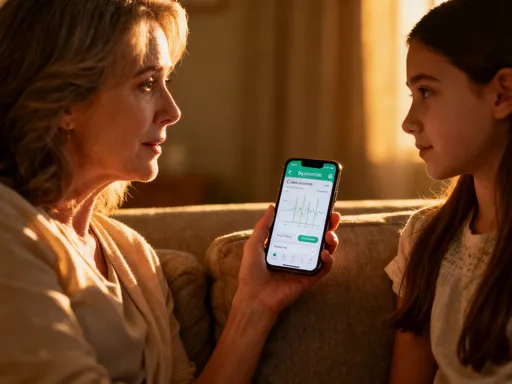
My husband even noticed. ‘You seem less tense lately,’ he said one evening. ‘Did you change something?’ I told him about the app, and he tried it too. He uses it during his lunch break, away from his desk. He says it helps him come back to work with a clearer head. It’s not that the app solved all our problems. Life is still busy. The kids still have meltdowns. Work still gets stressful. But now, we have a tool that helps us navigate it all with a little more calm. And that makes a real difference. It’s not about adding more to our plates. It’s about making the moments we already have more meaningful.
Strengthening Focus and Emotional Balance
Here’s something I didn’t expect: this little app didn’t just help me relax. It actually improved my focus. I’ve always struggled with mental clutter—too many thoughts, too many to-dos, too much noise in my head. But using this app regularly started to train my brain to stay present. The gentle challenges—like following a moving pattern or syncing my swipes to a rhythm—require just enough attention to keep me engaged, but not so much that I feel overwhelmed. It’s like a mental warm-up. After a short session, I notice I can think more clearly. My mind isn’t racing as much. I feel more grounded.
There was one day last month when everything felt like it was falling apart. The dog got sick, I missed an important deadline, and the car wouldn’t start. By mid-afternoon, I was on the edge of tears. That’s when I remembered the app. I stepped into the bathroom, closed the door, and played for six minutes. No magic fix. No instant solution. But when I came out, I could breathe again. My thoughts were calmer. I was able to make a plan—call the vet, email my boss, arrange a ride. The problems were still there, but I wasn’t drowning in them anymore. I had clarity. And that made all the difference.
Over time, I’ve started to see this as a form of emotional maintenance. Just like we brush our teeth to care for our physical health, this app helps me care for my mental well-being. It’s not a cure-all. It doesn’t replace therapy or professional support when needed. But it’s a tool—one that helps me stay balanced, centered, and more resilient in the face of daily stress. And honestly, that’s worth its weight in gold. In a world that never slows down, having a way to gently reset your nervous system is not a luxury. It’s a necessity.
Sharing It With Family and Seeing Ripple Effects
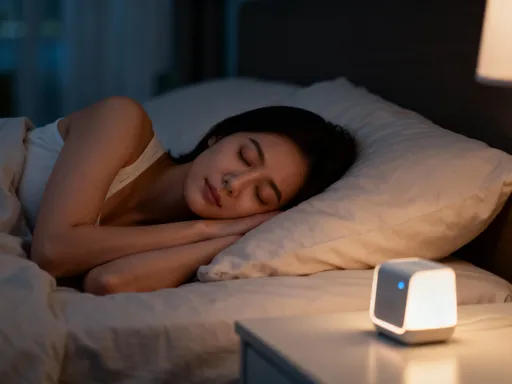
I’ve never been the type to push apps on people. I get annoyed when friends constantly recommend the latest trend. But this one felt different. I wanted to share it because it had made such a real difference in my life. So I introduced it to my sister, who’s been struggling with sleep for years. She’s always been a night owl, but lately, she’s been lying awake for hours, her mind racing. I showed her how to use the app before bed—just a few minutes of quiet play to signal to her brain that it’s time to wind down. She tried it that night. And for the first time in months, she fell asleep within twenty minutes.
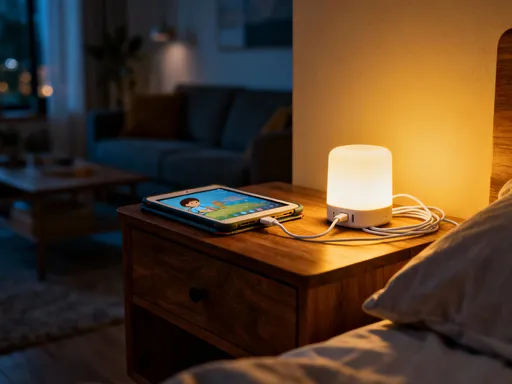
She’s not the only one. My nephew, who’s eleven, started using it during his study breaks. He has a lot of homework, and he used to get overwhelmed easily. Now, when he feels stuck, he takes a five-minute session. He says it helps him ‘clear the fog’ in his head. His mom—my sister—says he’s more focused and less frustrated after using it. Even my mom, who’s in her sixties and not exactly tech-savvy, gave it a try. She uses it while watching TV, during commercial breaks. ‘It’s like a little massage for my brain,’ she said. That stuck with me. That’s exactly what it feels like—a gentle, soothing touch in the middle of a busy day.
What’s beautiful is that we don’t talk about scores or levels. We talk about how we feel. ‘Did it help you relax?’ ‘Did you sleep better?’ ‘Did it clear your head?’ That shift—from performance to well-being—is powerful. It’s not about winning. It’s about feeling better. And in a small way, it’s brought us closer. We have this quiet, shared practice that connects us. No words needed. Just the understanding that we’re all trying to find moments of peace in a noisy world. And sometimes, we find them together, through a simple app that asks nothing of us except a few minutes of presence.
Why This Matters Beyond Entertainment
This experience taught me something important: technology doesn’t have to be loud, fast, or addictive to be valuable. In fact, the most powerful tools are often the quietest ones. We’ve been sold the idea that apps should grab our attention, keep us hooked, and fill every second with stimulation. But what if the real breakthrough isn’t in capturing more of our time—but in giving some of it back? What if the best tech doesn’t demand our energy, but helps us conserve it? That’s what this app does. It’s not about entertainment. It’s about restoration. It’s not about distraction. It’s about presence.
In a world that glorifies busyness, where ‘I’m so busy’ has become a badge of honor, it’s radical to choose calm. It’s radical to say, ‘I need a moment,’ and actually take it. This app gave me permission to do that—not just occasionally, but regularly. It helped me reclaim small pockets of time and turn them into moments of peace. And over time, those moments added up to a calmer, clearer, more centered version of myself. I’m not perfect. I still have stressful days. I still get overwhelmed. But now, I have a tool that helps me find my way back—quickly, gently, and without guilt.
More than that, it reminded me that technology, at its best, should serve us—not the other way around. It should support our well-being, enhance our relationships, and help us live with more intention. It shouldn’t leave us drained. It should leave us feeling a little more like ourselves. This app isn’t flashy. It won’t win awards for graphics or innovation. But it has heart. It was clearly made with care, with an understanding of real human needs. And in a digital landscape full of noise, that kind of thoughtful design is rare—and deeply needed.
So if you’re feeling overwhelmed, if your downtime doesn’t feel like downtime, if you’re tired of apps that leave you more tired—consider this. Maybe what you need isn’t more stimulation. Maybe what you need is a pause. A breath. A moment of quiet play that helps you reset. Because sometimes, the most powerful tech isn’t the one that changes the world. It’s the one that helps you feel at home in it again.