You Won’t Believe How Simple Anti-Aging Exercise Can Be
Aging is inevitable, but how we age is largely within our control. For years, I ignored the subtle signs—slower recovery, stiffer joints, fading energy—until I realized movement was the key. Science shows that the right exercises don’t just preserve youth; they reverse markers of aging. This guide shares practical, proven routines that fit real lives. No gym obsession, no extreme workouts—just smart, sustainable movement that truly works. The power to age well isn’t locked in a bottle or hidden in a clinic. It’s in your daily choices, especially how you move your body. With consistency and intention, you can maintain strength, flexibility, and vitality far longer than you think.
The Truth About Aging and Movement
As we grow older, the body undergoes natural changes, but many of the signs we associate with aging—fatigue, stiffness, weight gain—are not solely due to time. They are often the result of reduced physical activity. When movement declines, so does cellular health. One of the most significant markers of aging is the shortening of telomeres, the protective caps at the ends of our chromosomes. Studies have shown that individuals who engage in regular physical activity tend to have longer telomeres, suggesting a slower biological aging process. This doesn’t mean exercise stops time, but it does mean it can influence how our cells age.
Muscle mass naturally decreases with age, a condition known as sarcopenia. After age 30, adults can lose 3% to 5% of muscle mass per decade, and this accelerates after 60. Less muscle means a slower metabolism, reduced strength, and greater difficulty performing everyday tasks like climbing stairs or carrying groceries. Joint stiffness also increases as cartilage thins and synovial fluid production slows. Without movement, joints become less lubricated, leading to discomfort and reduced mobility. However, these changes are not inevitable. Research from the National Institute on Aging confirms that regular exercise can significantly slow or even reverse many of these effects.
A common misconception is that aging equals decline. While chronological age is fixed, biological age—the condition of your cells, organs, and systems—can be influenced by lifestyle. A sedentary person may have a biological age a decade older than their actual years, while someone who stays active may be biologically younger. The key is consistency, not intensity. You don’t need to run marathons or lift heavy weights daily. Simple, regular movement—like walking, stretching, or light resistance work—can trigger cellular repair, improve circulation, and maintain muscle and joint function. The body responds best to repetition over time, not occasional bursts of effort.
Moreover, inactivity contributes to chronic inflammation, a hidden driver of aging and disease. Exercise helps regulate the immune system, reducing inflammatory markers in the blood. It also supports mitochondrial health—the energy powerhouses of our cells—which declines with age. Physical activity stimulates the creation of new mitochondria and improves their efficiency. This means more energy, better recovery, and improved resilience against fatigue. The message is clear: movement is not just beneficial; it is essential for maintaining vitality as we age.
Why Exercise Is the Most Natural Anti-Aging Tool
Exercise is often framed as a way to lose weight or build muscle, but its anti-aging benefits go far beyond appearance. It is, in fact, one of the most powerful tools we have to influence how we feel and function over time. Regular physical activity enhances circulation, delivering oxygen and nutrients to every cell in the body. This improved blood flow supports skin health by increasing collagen production and reducing the appearance of fine lines. Many women in their 40s and 50s notice their skin looks brighter and feels firmer when they maintain a consistent routine—this is not coincidence, but science.
Hormone balance also plays a crucial role in aging, and exercise helps regulate key hormones like insulin, cortisol, and growth hormone. Insulin sensitivity improves with activity, reducing the risk of type 2 diabetes and metabolic slowdown. Cortisol, the stress hormone, tends to rise with age and chronic stress, contributing to weight gain and fatigue. Moderate exercise helps lower cortisol levels, promoting better sleep and emotional balance. Meanwhile, strength training and high-intensity interval exercises can stimulate the release of growth hormone, which supports tissue repair and muscle maintenance—both vital for staying strong and youthful.
One of the most impactful benefits of exercise is the preservation of muscle mass. Muscle is metabolically active tissue, meaning it burns calories even at rest. The more muscle you have, the higher your resting metabolic rate, making it easier to maintain a healthy weight. But beyond metabolism, muscle contributes to posture, balance, and confidence. Women who maintain strength as they age often report feeling more capable and independent. They can play with grandchildren, carry luggage, or garden without pain. This functional strength is a cornerstone of graceful aging.
Think of your body like a well-maintained car. A vehicle that sits unused develops rust, flat tires, and engine issues. But one that is driven regularly, with proper care, can last for decades. Your body works the same way. Movement keeps the systems running smoothly—lubricating joints, clearing waste products, and reinforcing structural integrity. The concept of “biological age” captures this idea: two women of the same chronological age can have vastly different levels of health based on their activity levels. Exercise doesn’t erase years, but it can make those years feel lighter, easier, and more vibrant.
The Core Principles of Anti-Aging Workouts
An effective anti-aging exercise routine is not about doing one type of workout intensely. It’s about balance—incorporating four key components: strength, mobility, balance, and cardiovascular health. Each plays a unique role in maintaining function and vitality. Strength training preserves lean muscle mass and supports bone density, reducing the risk of osteoporosis. Mobility work keeps joints flexible and prevents stiffness. Balance exercises enhance stability, lowering the chance of falls—a major concern as we age. And cardiovascular activity supports heart health, endurance, and energy levels.
Strength is foundational. Without it, everyday movements become harder. Lifting groceries, getting up from a chair, or even standing for long periods require muscle. Bodyweight exercises like squats, lunges, and push-ups are highly effective and can be done at home. Using resistance bands or light dumbbells adds intensity without strain. Experts recommend strength training at least two to three times per week, targeting all major muscle groups. The goal is not to build bulky muscles, but to maintain functional strength that supports independence.
Mobility is often overlooked but equally important. While stretching improves flexibility, mobility focuses on the ability to move joints through their full range of motion. This includes dynamic movements like arm circles or ankle rolls, which warm up the joints and improve coordination. Poor mobility leads to compensatory movements—using the back instead of the legs when lifting, for example—which increases injury risk. Daily mobility drills take just a few minutes and can make a noticeable difference in how you feel during daily activities.
Balance is another silent protector. As we age, the inner ear, vision, and nerve feedback systems that help us stay upright can decline. Simple exercises like standing on one leg, heel-to-toe walking, or tai chi movements can sharpen these systems. Improved balance means greater confidence on uneven surfaces, fewer stumbles, and more freedom to stay active. Cardiovascular health ensures the heart and lungs can meet daily demands. Brisk walking, swimming, or cycling for 30 minutes most days of the week is enough to maintain endurance and support circulation.
Progression and variety are essential to avoid plateaus. The body adapts quickly, so repeating the same routine can stop yielding results. Gradually increasing intensity, trying new movements, or changing the order of exercises keeps the body responsive. This doesn’t mean constant change—consistency is still key—but small adjustments prevent stagnation. A well-rounded routine that evolves over time is more sustainable and effective than a rigid, repetitive program.
Daily Routines That Actually Work
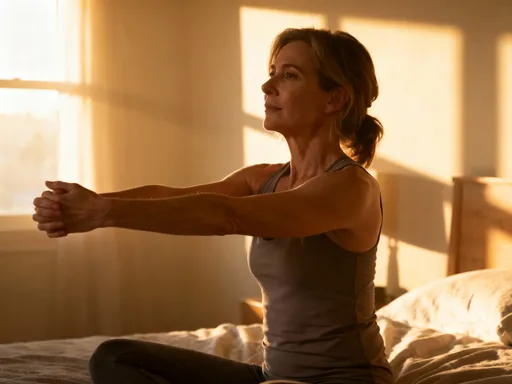
The best exercise program is one you can stick to, and that means fitting it into real life. You don’t need hours at the gym or complicated equipment. A simple morning routine can set the tone for the day. Start with five minutes of dynamic stretching: arm swings, leg lifts, and gentle torso twists. These movements increase blood flow and prepare the body for activity. Follow with 10 bodyweight squats—feet shoulder-width apart, hips back, knees tracking over toes. Then do 10 wall push-ups, keeping the core engaged. Finish with a resistance band row: anchor the band at chest height, pull elbows back, and squeeze the shoulder blades. This entire sequence takes less than 15 minutes and wakes up the entire body.
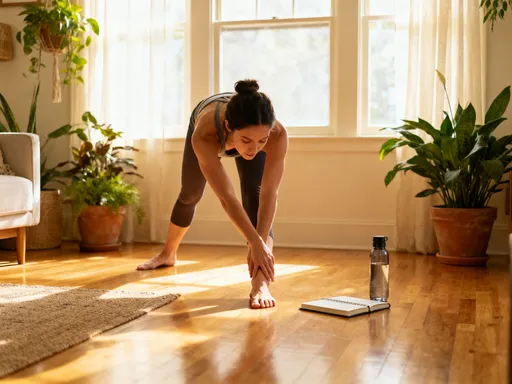
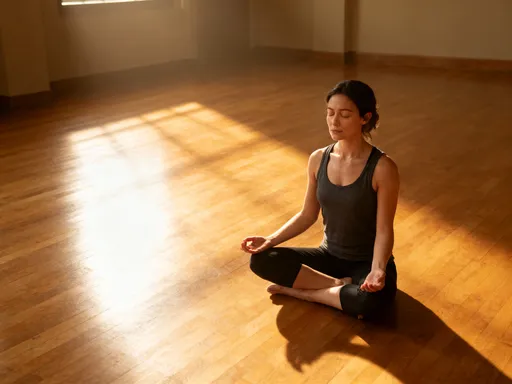
In the evening, shift focus to relaxation and recovery. A wind-down routine helps release tension and improves sleep quality. Begin with a seated forward fold—sit on the floor, legs extended, and reach toward your toes. Keep the back straight and breathe deeply. Move into a gentle cat-cow stretch on all fours, arching and rounding the spine with each breath. Then try a child’s pose, resting the hips back on the heels with arms extended forward. Add a few minutes of deep breathing: inhale for four counts, hold for four, exhale for six. This calms the nervous system and signals the body it’s time to rest.
For those with sedentary jobs or routines, integrating movement throughout the day is crucial. Set a timer to stand and stretch every hour. Use walking meetings when possible—take a phone call outside and walk around the block. Choose the stairs instead of the elevator, even if it’s just one or two flights. While watching TV, do seated leg lifts or ankle circles. These “movement snacks” add up and counteract the negative effects of prolonged sitting. The key is to break up inactivity, not wait for a perfect workout window.
Consistency builds results. When exercise becomes part of your daily rhythm—like brushing your teeth or making coffee—it no longer feels like a chore. Pairing movement with existing habits increases adherence. For example, do squats while waiting for the kettle to boil, or stretch after putting the laundry in the dryer. These small actions create a foundation of activity that supports long-term health. Over time, they lead to greater energy, less stiffness, and improved mood—all without drastic lifestyle changes.
Strength Training Without the Gym
Many women believe strength training requires a gym membership or expensive equipment, but this is a myth. Effective strength exercises can be done at home with little or no gear. Wall push-ups are a great starting point. Stand facing a wall, place your hands on it at shoulder height, and perform controlled presses. This builds upper body strength safely and with minimal joint strain. As you gain confidence, move to incline push-ups using a sturdy countertop, then progress to knee push-ups on the floor.
Lower body strength is equally important. Step-ups are simple yet powerful. Use a staircase or a low bench: step one foot up, bring the other to meet it, then step down with control. This mimics real-life movements like climbing stairs and strengthens the glutes and quadriceps. Chair dips target the triceps. Sit on the edge of a sturdy chair, hands beside your hips, and slide your hips forward until your arms support your weight. Bend and straighten the elbows to complete the movement. Always ensure the chair is stable and do not let shoulders rise to the ears.
Bodyweight squats and lunges build leg strength and improve balance. For squats, keep the chest up and sit back as if lowering into a chair. For lunges, step one foot forward, lower the back knee toward the floor, then push back to start. Use a wall or counter for support if needed. Resistance bands are affordable and versatile—use them for bicep curls, shoulder presses, or lateral walks. A single band can provide multiple levels of resistance as you grow stronger.
Frequency matters. Aim for two to three strength sessions per week, allowing at least one rest day between sessions for muscle recovery. Each workout can be 20 to 30 minutes long. Focus on proper form over speed or reps. Poor technique increases injury risk, especially as joints become more sensitive with age. If you’re unsure, watch reputable online videos or consult a physical therapist. Many women report noticeable improvements within weeks—better posture, reduced joint discomfort, and increased energy. These changes aren’t just physical; they boost confidence and motivation to keep going.
Mobility and Flexibility: The Forgotten Youth Boosters
Stiff joints and tight muscles are often dismissed as normal signs of aging, but they don’t have to be. Limited mobility affects how you move, how you feel, and even how you look. A person with stiff shoulders may hunch forward, creating the appearance of aging. Tight hips can lead to an unsteady gait. These changes reduce independence and increase the risk of falls. The good news is that mobility and flexibility can be improved at any age. Daily practice, even for just 10 minutes, can restore range of motion and make everyday movements easier.
Start with simple joint mobility drills. Ankle circles improve circulation and prevent stiffness, especially if you sit for long periods. Sit in a chair, lift one foot, and rotate the ankle clockwise and counterclockwise. Shoulder rolls release tension from desk work or driving. Roll the shoulders forward in a circular motion, then reverse. The cat-cow stretch, done on hands and knees, gently moves the spine through flexion and extension, relieving back tension. Neck tilts—slowly bringing the ear toward the shoulder—ease stiffness from stress or poor posture.
Static stretching is best done after activity or in the evening when muscles are warm. Hold each stretch for 20 to 30 seconds without bouncing. Focus on major muscle groups: hamstrings, calves, chest, and hips. A simple hip flexor stretch—kneeling on one knee, gently pushing the hips forward—can relieve lower back pain and improve posture. The seated spinal twist enhances spinal mobility and aids digestion. These stretches don’t require flexibility expertise—just gentle, consistent effort.
Improved mobility reduces the risk of everyday injuries. When joints move freely, the body doesn’t compensate in harmful ways. For example, if your ankles are stiff, your knees or hips may take on extra stress when walking. Over time, this leads to pain and wear. Mobility work keeps the kinetic chain aligned and functioning smoothly. Women who prioritize flexibility often find they can move more freely, wear more types of shoes, and enjoy activities like gardening or dancing without discomfort. It’s not about touching your toes—it’s about living without limits.
Making It Stick: Habits That Last
Starting an exercise routine is one thing; maintaining it is another. Motivation often fades, especially when results aren’t immediate. The key to long-term success is building habits, not relying on willpower. One effective strategy is habit stacking—linking a new behavior to an existing one. For example, do a few stretches after brushing your teeth in the morning. Or take a five-minute walk after lunch. These small pairings make exercise feel natural, not forced.
Tracking progress can also boost motivation. Use a simple calendar or journal to mark days you move. Seeing a chain of completed days creates a sense of accomplishment. Some women prefer apps that log workouts or steps, but pen and paper work just as well. Celebrate small wins—like completing a week of daily movement—without waiting for major transformations. Progress is often subtle: better sleep, less stiffness, more energy. These are real results, even if the scale doesn’t change.
When motivation dips, have a plan. Keep a playlist of upbeat songs for quick movement sessions. Invite a friend for a walk or virtual workout. Break exercise into “snacks”—three 10-minute sessions instead of one 30-minute block. The goal is consistency, not perfection. Missing a day doesn’t mean failure. What matters is returning to the routine without guilt. Exercise should feel like a gift, not a punishment.
Enjoyment is crucial. Choose activities you like—dancing, swimming, gardening, or yoga. If you dread your routine, you won’t stick with it. The best exercise is the one you’ll do regularly. Over time, movement becomes a source of peace, strength, and confidence. It’s not about looking younger in the mirror; it’s about feeling capable, independent, and alive. That is the true measure of successful aging.
Intentional movement reshapes the aging process. It empowers you to take control of your health, not fear the years ahead. You don’t need extreme measures or expensive programs. Start small—stretch in the morning, take the stairs, do a few squats. Stay consistent. Every step, every stretch, every choice to move adds up. Aging is inevitable, but vitality is a choice. By embracing simple, sustainable exercise, you invest in a longer, healthier, more joyful life. The journey begins with a single movement—and it’s never too late to start.