How I Upgraded My Daily Routine to Prevent Illness—And Actually Feel Better
We all want to stay healthy, but real disease prevention isn’t about quick fixes—it’s about consistent, smart choices. I used to get sick often, tired constantly, and felt like my body was running on empty. Then I shifted my focus from reacting to illness to actively building resilience. This isn’t a miracle cure, but a practical, science-backed approach that changed how I feel every day. Let me walk you through what really works. It started with recognizing that true health isn’t something you chase when you’re already unwell—it’s something you cultivate long before symptoms appear. And once I embraced that idea, everything began to change.
The Wake-Up Call: Recognizing the Need for Prevention
For years, my relationship with health was reactive. I would visit the doctor only when I couldn’t ignore the symptoms—another cold, a lingering cough, or exhaustion that no amount of coffee could fix. At first, these episodes felt like normal parts of life, especially during the winter months. But over time, they became more frequent, more intense, and more disruptive. I missed work, canceled plans, and spent weekends in bed trying to recover. What once seemed like occasional inconvenience turned into a pattern I could no longer dismiss.
One winter, I caught three respiratory infections in just ten weeks. Each time, I followed the same cycle: rest, over-the-counter medication, a brief recovery, and then another illness shortly after. That’s when it hit me—I wasn’t actually recovering. My body wasn’t getting stronger; it was being worn down. I realized I had been treating symptoms without addressing the root cause: a weakened immune system and a lifestyle that didn’t support long-term wellness. Medicine helped me feel better temporarily, but it didn’t teach me how to stay well.
This shift in awareness was my wake-up call. I began to understand the difference between treating illness and preventing it. Treating symptoms is essential, especially during acute illness, but it’s only one part of the health equation. True prevention means strengthening the body’s defenses before problems arise. It means making daily choices that reduce inflammation, support immune function, and improve overall resilience. That realization changed everything. Instead of waiting to get sick, I decided to focus on building a foundation that could help me stay well—no matter the season or stress level.
Mindset Shift: From Survival to Sustainable Health
Once I recognized the need for prevention, the next step was changing my mindset. I had to let go of the idea that health was about intense efforts—like strict diets or grueling workouts—that I could only maintain for short periods. I used to believe that if I wasn’t doing something extreme, I wasn’t doing enough. But that approach led to burnout, frustration, and inevitable relapse. What I learned is that long-term health isn’t built on intensity; it’s built on consistency.
The real power lies in small, sustainable changes that compound over time. Think of it like saving money: depositing $5 every day may not seem like much, but over a year, it adds up to nearly $2,000. Health works the same way. Drinking an extra glass of water, walking for 15 minutes, or choosing a piece of fruit over a processed snack—these choices may feel minor in the moment, but their cumulative effect is profound. Over weeks and months, they reshape your energy levels, immune function, and overall well-being.
Shifting to this long-term perspective helped me stop chasing perfection and start valuing progress. I no longer saw health as a destination I had to reach through sacrifice. Instead, I began to view it as a daily practice—a series of small commitments that added up to a stronger, more resilient body. This mindset freed me from the pressure of doing everything perfectly and allowed me to focus on what I could do consistently. And that, more than any single habit, made the difference.
Fueling the Body: Nutrition That Supports Immunity
Nutrition became one of the most powerful tools in my preventive health journey. I realized that what I ate directly influenced how my immune system functioned. Instead of focusing on restrictive diets or trendy superfoods, I shifted toward eating whole, nutrient-dense foods that provided steady energy and supported my body’s natural defenses. My daily meals now include a variety of vegetables, fruits, whole grains, lean proteins, and healthy fats—all of which play a role in keeping my immune system strong.
One of the most important changes I made was prioritizing gut health. Research shows that a significant portion of the immune system resides in the gut, and a balanced gut microbiome is essential for proper immune function. To support this, I increased my intake of fiber-rich foods like oats, beans, apples, and leafy greens. I also added fermented foods such as yogurt with live cultures and naturally pickled vegetables, which contain beneficial bacteria that support digestive and immune health. Over time, I noticed fewer digestive issues and a general sense of physical ease that I hadn’t experienced before.
Equally important was what I chose to reduce. I gradually cut back on processed sugars and refined carbohydrates, which can trigger inflammation and weaken immune responses. I also minimized my use of highly processed vegetable oils, such as soybean or corn oil, which are high in omega-6 fatty acids and can contribute to chronic inflammation when consumed in excess. Instead, I reached for olive oil, avocado oil, and small amounts of butter or ghee—fats that support cellular health without promoting inflammation.
This approach wasn’t about deprivation; it was about upgrading my choices. I still enjoy treats, but now they’re occasional rather than daily. By focusing on nourishing my body most of the time, I gave it the tools it needed to defend itself. And the result? Fewer colds, more stable energy, and a growing sense that I was truly fueling myself well.
Move to Improve: Physical Activity as a Preventive Tool
Physical activity used to feel like a chore—one more thing on my to-do list that I often skipped. I associated exercise with gyms, sweat, and discomfort. But when I reframed movement as a form of self-care and disease prevention, everything changed. I learned that regular physical activity isn’t just about weight management or muscle tone; it plays a direct role in boosting immune function, reducing inflammation, and lowering the risk of chronic diseases like heart disease, type 2 diabetes, and certain cancers.
My routine now includes a mix of activities that I genuinely enjoy. I walk every day, usually for 30 to 45 minutes, whether it’s around my neighborhood, in a local park, or on a treadmill during bad weather. Walking is simple, low-impact, and accessible—and studies show it can enhance circulation, improve mood, and support immune surveillance, the process by which the body detects and responds to pathogens. I also do strength training two to three times a week using resistance bands and light weights. Building muscle isn’t just about appearance; it helps maintain metabolic health, supports joint stability, and contributes to overall resilience.
Beyond structured activity, I’ve made an effort to increase my daily non-exercise movement—things like taking the stairs, gardening, stretching during TV commercials, or standing while talking on the phone. These small actions add up and help counteract the negative effects of prolonged sitting, which has been linked to poor circulation, reduced immune efficiency, and increased disease risk. By weaving movement into my day naturally, I’ve made it a seamless part of my life rather than something I have to force.
The key was finding enjoyment in the process. When I stopped thinking of exercise as punishment for eating or sitting too much, and started seeing it as a gift to my body, my consistency improved. Movement became less about how many calories I burned and more about how strong, energized, and capable I felt. That shift in perspective made all the difference.
Sleep: The Silent Guardian of Health
Sleep was perhaps the most underestimated factor in my health journey. For years, I treated it as optional—a luxury I could sacrifice when work or family demands piled up. But research clearly shows that poor sleep weakens the immune system, increases inflammation, and impairs the body’s ability to fight off infections. One study found that people who sleep fewer than six hours per night are more than four times as likely to catch a cold compared to those who sleep seven hours or more. That statistic was a wake-up call in itself.
I knew I had to improve my sleep quality, so I started with simple environmental changes. I invested in blackout curtains to make my bedroom darker, which supports melatonin production, the hormone that regulates sleep. I also set a consistent bedtime and wake-up time, even on weekends, to stabilize my circadian rhythm. To reduce nighttime disruptions, I stopped using screens at least an hour before bed and replaced scrolling with reading or gentle stretching. These small adjustments helped signal to my body that it was time to wind down.
Another change was creating a sleep-supportive routine. I began drinking herbal tea like chamomile in the evening, avoided heavy meals late at night, and kept my bedroom cool and quiet. I also limited caffeine to the morning hours, knowing it can linger in the system and interfere with sleep onset. Over time, these habits helped me fall asleep faster, stay asleep longer, and wake up feeling more refreshed.
Better sleep didn’t just reduce my illness frequency—it improved my mental clarity, mood, and ability to handle daily stress. I realized that sleep isn’t downtime; it’s active recovery. During deep sleep, the body repairs tissues, balances hormones, and strengthens immune memory. By prioritizing rest, I was giving my body the time it needed to heal and recharge. Sleep became not just a habit, but a non-negotiable pillar of my health.
Stress Management: Protecting Your Body from Invisible Damage
Chronic stress is one of the most insidious threats to long-term health. Unlike a cold or injury, its effects are often invisible—yet they can be just as damaging. When the body is under constant stress, it releases cortisol and other stress hormones that, over time, increase inflammation, suppress immune function, and contribute to a range of health issues, from digestive problems to high blood pressure. I didn’t realize how much stress was affecting me until I started paying attention to my physical symptoms: tension headaches, trouble sleeping, and frequent illnesses.
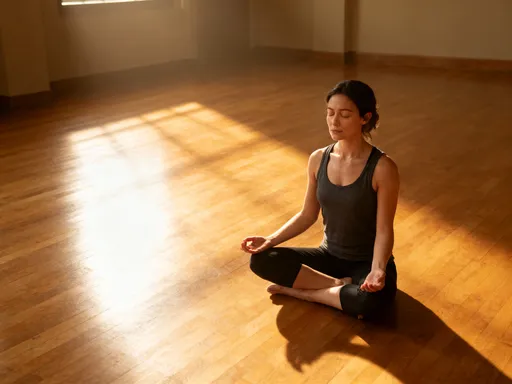
To protect my body, I began incorporating stress-reducing practices into my daily routine. One of the most effective techniques I’ve found is mindful breathing. Taking just five to ten minutes a day to focus on slow, deep breaths helps activate the parasympathetic nervous system, which promotes relaxation and counteracts the stress response. I often do this in the morning or during moments of overwhelm, and it brings an immediate sense of calm.
I also committed to a weekly digital detox—setting aside one evening or a few hours on the weekend to disconnect from emails, social media, and news. Constant exposure to screens and information overload can heighten anxiety and mental fatigue. Stepping away allowed me to reconnect with myself, spend time with family, or enjoy a hobby without distraction. Journaling has also become a valuable tool. Writing down my thoughts, worries, or gratitude each night helps me process emotions and gain perspective, reducing the mental clutter that often fuels stress.
These practices didn’t eliminate stress—they helped me manage it more effectively. By building emotional resilience, I reduced the toll that daily pressures took on my body. I began to see stress not as an enemy to avoid, but as a signal to pause, breathe, and respond with intention. Over time, this shift improved not only my mental well-being but also my physical health.
Environment & Habits: Small Changes, Big Impact
While diet, movement, sleep, and stress management were central to my transformation, I also paid attention to my environment and daily habits—factors that quietly influence health. One of the first changes I made was improving indoor air quality. I added houseplants known for filtering air, opened windows regularly for ventilation, and used a HEPA air purifier in my bedroom, especially during allergy season. Clean air supports respiratory health and reduces exposure to pollutants that can trigger inflammation.
Hydration became another quiet but powerful habit. I started carrying a reusable water bottle and made it a goal to drink half my body weight in ounces each day. Staying well-hydrated supports everything from digestion to circulation to immune function. I also improved my hand hygiene, washing my hands more frequently, especially after being in public spaces or before eating. These simple actions significantly reduced my exposure to germs, especially during cold and flu season.
Social connection played a bigger role than I expected. Studies show that strong relationships and regular social interaction can boost immune function and increase longevity. I made an effort to stay in touch with friends, schedule regular phone calls, and spend quality time with family. Even small moments of connection—like sharing a meal or laughing over a story—had a positive impact on my mood and resilience.
Finally, I committed to routine health check-ups. Preventive screenings, blood pressure checks, and annual physicals helped me stay informed about my health and catch potential issues early. I also kept a simple health journal to track my habits, energy levels, and symptoms, which gave me insight into patterns and progress. By creating systems that made healthy choices automatic, I reduced the need for willpower and built a lifestyle that supported long-term wellness.
Conclusion: Health as a Daily Practice, Not a Destination
Looking back, the changes I made weren’t about following a perfect plan or achieving an ideal body. They were about building a life that supported my health every single day. The pillars—nutrition, movement, sleep, stress management, and supportive habits—work together to create a resilient body and a clearer mind. None of these changes required drastic measures, but together, they transformed how I feel and how I experience life.
What matters most is consistency, not perfection. You don’t have to do everything at once. Start with one small change—drink more water, take a short walk, go to bed 15 minutes earlier—and build from there. Over time, these choices become second nature, and their benefits multiply. The goal isn’t to eliminate all risk of illness, but to give your body the best possible chance to stay strong and recover quickly when challenges arise.
This journey has taught me that health is not a destination you reach and then forget. It’s a daily practice, a series of choices that reflect how much you value your well-being. It’s about showing up for yourself, day after day, with kindness and commitment. And while no lifestyle can guarantee perfect health, a preventive approach can dramatically improve your quality of life. Remember, this isn’t a replacement for medical care—always consult with healthcare professionals when needed. But by taking charge of your daily habits, you can create a foundation of strength that supports you for years to come.